Course Format
- Expert lectures (evidence-based, case-driven)
- High-definition surgical video analysis
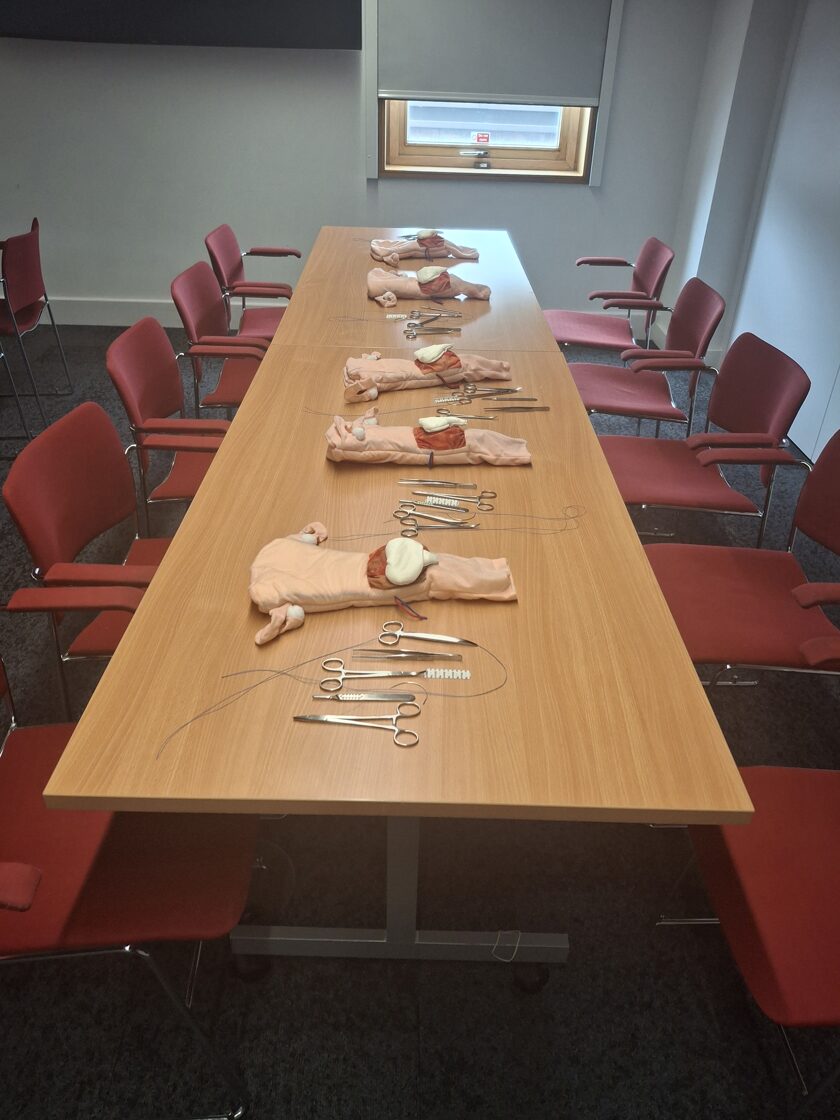
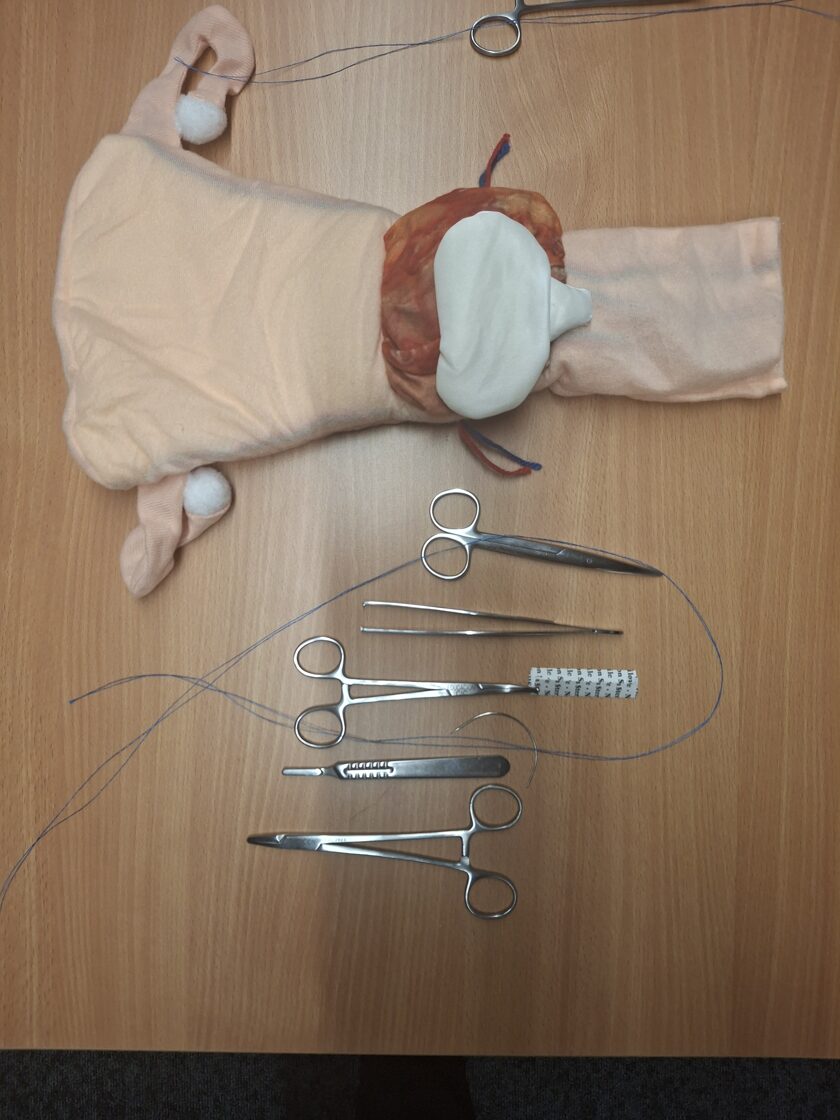
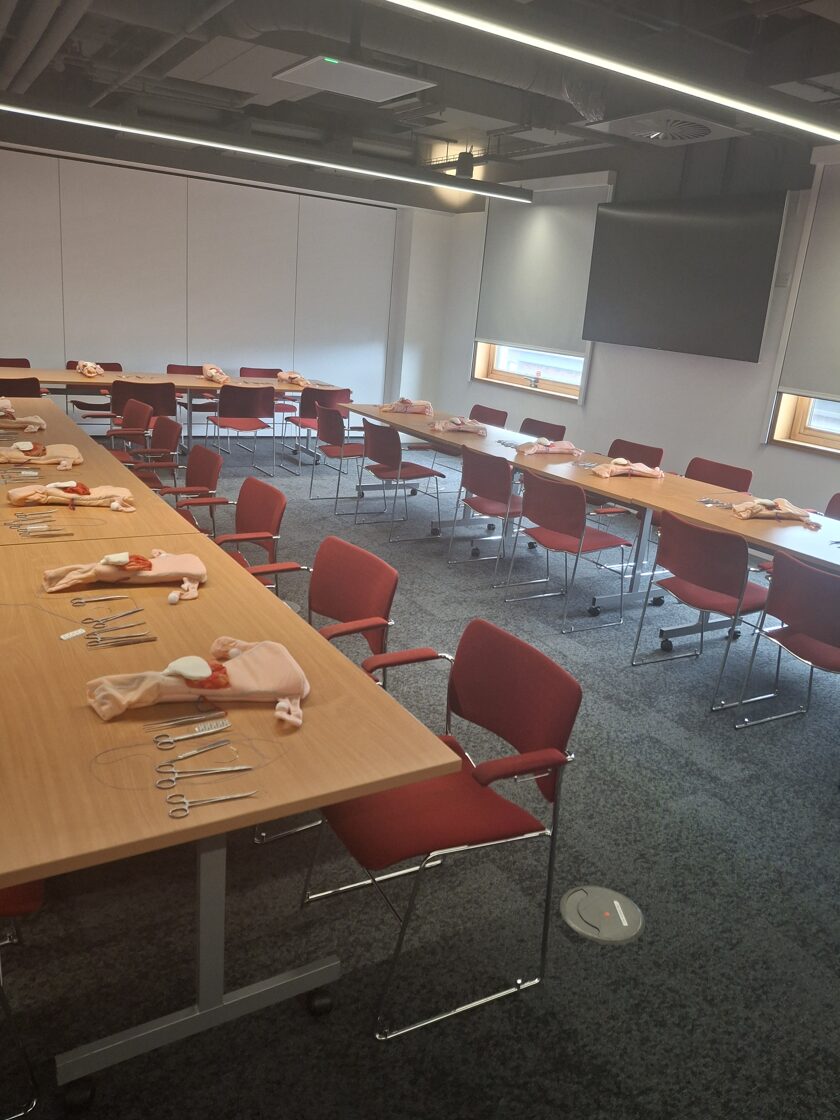
- Hands-on simulation (complex cesarean & PAS scenarios)
- Interactive case discussions
- Practical tips transferable to daily clinical practice
Course Objectives
At the end of the course, participants should be able to
- Describe the key anatomical areas and vascular pedicles of the female genital tract relevant to complex cesarean delivery
- Identify and accurately represent pelvic spaces and demonstrate their safe surgical access
- Describe and perform effective hemostasis of the lower uterine segment
- Recognize and repair uterine dehiscence or thinning encountered during cesarean delivery
- Assess and manage uterine fibroids complicating cesarean delivery, including their impact on incision placement, fetal extraction, and uterine closure
- Describe and perform internal aortic compression as a damage-control maneuver in obstetric hemorrhage
- Identify ultrasound markers associated with complex cesarean delivery, including placenta previa, uterine dehiscence, abnormal placental adherence, and altered lower uterine segment anatomy
- Establish a practical intraoperative decision-making algorithm for incidental findings complicating cesarean delivery
- Describe and select appropriate therapeutic options for abnormal placental attachment encountered during cesarean section
- Perform operative staging and surgical decision-making in cases of myometrial dehiscence with or without placental intrusion
- Apply uterine-sparing hemostatic techniques with minimal blood loss
- Select and perform segment-specific uterine hemostatic procedures according to bleeding source
- Plan and perform a high uterine incision (high hysterotomy) when indicated to prevent extension and future myometrial defects